The Widow of Charleston: A Dark Chapter in American History
In the heart of Charleston, South Carolina, lies a story that many would prefer to forget—a narrative steeped in cruelty, exploitation, and the haunting legacy of slavery.
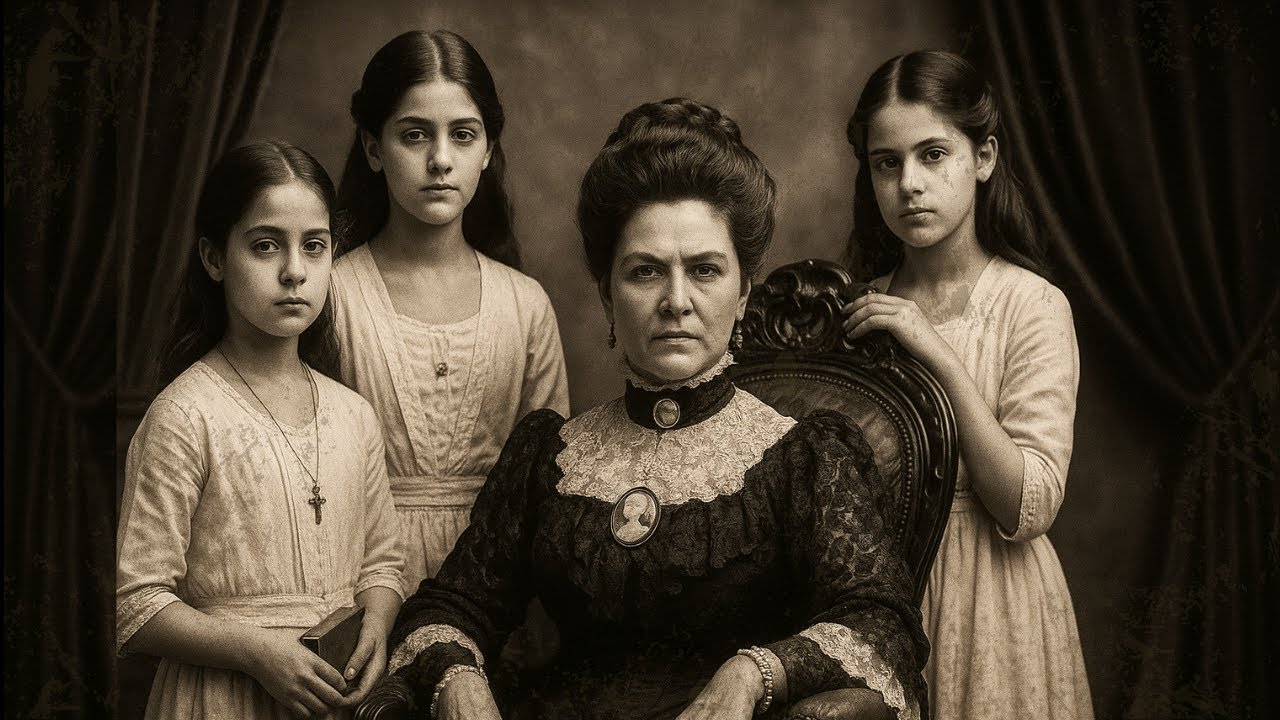
This is the true account of a widow who, in the year 1836, used her own daughters to breed slaves, thereby expanding her plantation and entrenching the horrors of the slave trade deep within Southern society.
This shocking revelation not only exposes the depths of human depravity but also sheds light on the untold stories of women trapped in a system designed to dehumanize them.
A Genteel Façade Hiding a Disturbing Reality
Charleston, often romanticized for its charming streets and historic homes, harbors secrets that tell a different tale. Behind the genteel façade of Southern hospitality lies a history marred by racial cruelty and exploitation.
The widow at the center of this story exemplifies the moral decay that can fester beneath a polished surface. Her actions—using her daughters as tools for breeding slaves—speak to the lengths individuals would go to secure power and wealth during a time when human lives were treated as mere commodities.
The Context of Slavery in the Antebellum South
To understand the gravity of this widow’s actions, one must first grasp the context of slavery in the antebellum South.
The plantation economy thrived on the backs of enslaved people, and Charleston was a pivotal hub in the slave trade. With its bustling markets and cotton fields, the city became synonymous with the exploitation of African Americans.
Women, in particular, faced unique challenges; they were often subjected to sexual exploitation and forced breeding, a practice that commodified their bodies and stripped them of autonomy.
The Widow’s Legacy: A Cycle of Trauma
The widow’s decision to use her daughters for breeding slaves was not merely a personal choice; it was a reflection of a broader societal norm that valued profit over humanity.
This cycle of trauma extended beyond her immediate family, affecting generations of enslaved people who were born into a life of servitude and oppression.
The psychological scars of such exploitation are profound and resonate through history, shaping the narratives of African American families long after emancipation.
Uncovering the Hidden Truths of Charleston
As we delve deeper into this dark chapter of Charleston’s history, it becomes clear that the widow’s actions were part of a larger, systemic issue.
The practice of slave breeding was not isolated; it was a widespread phenomenon that thrived in many Southern plantations. Historians have documented numerous cases where women were forced to bear children for the express purpose of increasing the slave population.
This hidden legacy is often overlooked in discussions about slavery, yet it is crucial for understanding the full scope of human exploitation during this period.
The Role of Women in Slavery
Women’s roles in the institution of slavery were complex and multifaceted. While many enslaved women were tasked with domestic duties, others faced the harrowing reality of being exploited for their reproductive capabilities.
The widow’s actions highlight the intersection of gender and race within the context of slavery, revealing how women were doubly victimized—first by the institution of slavery and second by the patriarchal structures that sought to control their bodies and lives.
The Impact of Generational Trauma
The legacy of the widow’s actions extends far beyond her lifetime. Generational trauma, a concept that refers to the psychological effects of trauma experienced by one generation being passed down to subsequent generations, is evident in the stories of African Americans today.
The wounds inflicted by slavery—both physical and emotional—continue to affect descendants, shaping their identities and experiences in contemporary society.
Confronting the Past: The Importance of Historical Awareness
As we reflect on this disturbing chapter of American history, it is imperative to confront the past with honesty and integrity.
Acknowledging the role of individuals like the widow of Charleston in perpetuating the horrors of slavery is essential for understanding the complexities of our nation’s history.
By shining a light on these hidden truths, we can begin to foster a more inclusive narrative that honors the experiences of those who suffered and survived.
Conclusion: A Call to Remember
The story of the widow who used her daughters to breed slaves serves as a stark reminder of the depths of human cruelty and the resilience of those who endured unimaginable suffering.
As we continue to explore the history of slavery in America, let us remember the voices of the past and strive to ensure that such atrocities are never repeated.
By acknowledging the dark legacies of our history, we can work towards a future that values humanity and justice for all.
In conclusion, the widow of Charleston is not just a figure of the past; she represents a legacy that demands our attention and reflection.
The hidden truths of Charleston’s history are not merely stories of sorrow; they are calls to action for a more equitable and compassionate society.