The Heartbreaking Story of the Enslaved Mother: A Tale of Ten Children Denied
In the annals of American history, there are stories that haunt us, tales that reveal the depths of human cruelty and resilience. One such story is that of an enslaved woman who gave birth to ten children, yet was denied the right to call any of them “mother.”
This narrative not only sheds light on the brutal realities of slavery but also challenges us to confront the painful legacy that still echoes in contemporary society.
The Harsh Reality of Enslavement
The institution of slavery in America was not merely an economic system; it was a dehumanizing force that stripped individuals of their identities, rights, and familial bonds.
Enslaved women, in particular, faced unimaginable hardships. They were often viewed as property rather than human beings, subjected to the whims of their owners. This story centers around one such woman, whose life was marked by profound loss and resilience.
A Mother’s Love in a Cruel World
Imagine giving birth to ten children, each one a testament to your strength and survival. Yet, for this enslaved mother, the joy of motherhood was overshadowed by the grim reality of her situation.
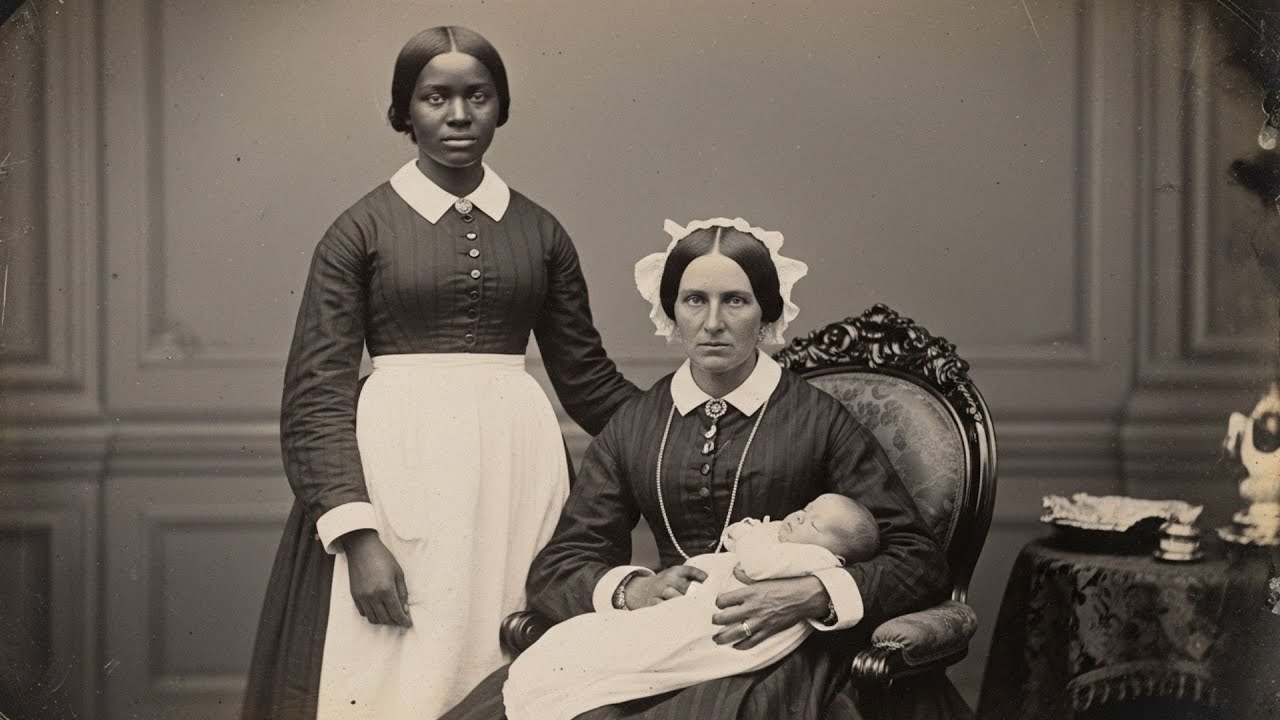
Her children were not allowed to call her “mother,” a title that signifies love, protection, and belonging. Instead, they were treated as commodities, mere extensions of their mother’s body, valued only for their potential labor.
This cruel practice was not uncommon. Enslaved women were often forced to bear children for their owners, who sought to increase their workforce without regard for the emotional or psychological toll on the mothers.
The bond between mother and child was systematically undermined, creating a cycle of trauma that would echo through generations.
The Impact of Systematic Dehumanization
The story of this enslaved mother is emblematic of a broader system designed to fracture familial ties among enslaved people. By denying mothers the right to nurture their children and to be recognized as their caregivers, slave owners perpetuated a cycle of dehumanization.
This not only stripped the mother of her identity but also robbed her children of their heritage and familial connections.
The psychological impact of such systemic cruelty cannot be overstated. Enslaved individuals were often left with deep emotional scars, struggling to maintain a sense of self in a world that sought to erase their existence.
The anguish of a mother who cannot claim her children as her own is a profound tragedy that resonates throughout history.
A Legacy of Pain and Resilience
As we reflect on the story of this enslaved mother, it is crucial to recognize the resilience that exists within such narratives.
Despite the overwhelming odds, many enslaved women found ways to nurture their children, to instill values, and to create a sense of community among those who shared their plight. This resilience serves as a powerful counter-narrative to the brutality of slavery.
Moreover, the story of the enslaved mother and her ten children invites us to consider the long-lasting effects of slavery on contemporary society.
The legacy of this dehumanization continues to manifest in various forms, from systemic racism to the ongoing struggles for justice and equality. Understanding these historical narratives is essential for fostering empathy and promoting social change.
The Importance of Remembering
In an age where discussions about race and history can be contentious, it is vital to remember stories like that of the enslaved mother.
These narratives challenge us to confront uncomfortable truths about our past and to recognize the enduring impact of that history on present-day society. By acknowledging the pain and suffering endured by countless individuals, we can begin to understand the complexities of our collective identity.
Furthermore, sharing these stories is crucial for honoring the memory of those who suffered. It is a way to ensure that their experiences are not forgotten and that future generations understand the importance of compassion, empathy, and justice.
Conclusion: A Call to Action
The heartbreaking tale of the enslaved mother who gave birth to ten children, none of whom could call her “mother,” is a poignant reminder of the resilience of the human spirit in the face of unimaginable adversity.
It compels us to reflect on the injustices of the past and their lingering effects on our society today.
As we strive for a more equitable future, let us carry forward the lessons learned from these stories. Let us honor the memory of those who came before us by advocating for justice and equality for all.
In doing so, we not only pay tribute to the enslaved mother and her children but also contribute to a world where every individual is recognized for their humanity and worth.
By sharing this narrative, we keep the voices of the past alive, ensuring that the struggles and triumphs of those who suffered are not forgotten. It is our responsibility to learn from history, to foster understanding, and to work towards a future that honors the dignity of every person.