The Shocking Tale of a Widow and Her Tallest Slave: A Dark Chapter in American History
In the heart of Georgia during the 1840s, a chilling story unfolds—a tale of desperation, rebellion, and the haunting legacy of slavery.
In 1847, a widow made a controversial decision that would forever alter the lives of her five daughters and the enslaved man she chose to fulfill her audacious plan.
This narrative, steeped in the complexities of human relationships and the dark history of American slavery, raises questions about morality, power, and the lengths to which one might go to secure a future.
A Widow’s Desperate Decision
The Whitfield plantation, a seemingly ordinary Southern estate, became the backdrop for an extraordinary and troubling story. Following the death of her husband, the widow found herself in a precarious position.
With five daughters to care for and a dwindling fortune, she devised a plan that would shock her community and challenge the very foundations of societal norms.
In a bid to create a “new bloodline,” she selected her tallest enslaved man, a decision that was as much about survival as it was about control.
This choice was not merely a reflection of her desperation; it was a calculated move that would intertwine the fates of both the widow and her chosen slave in ways that neither could foresee.
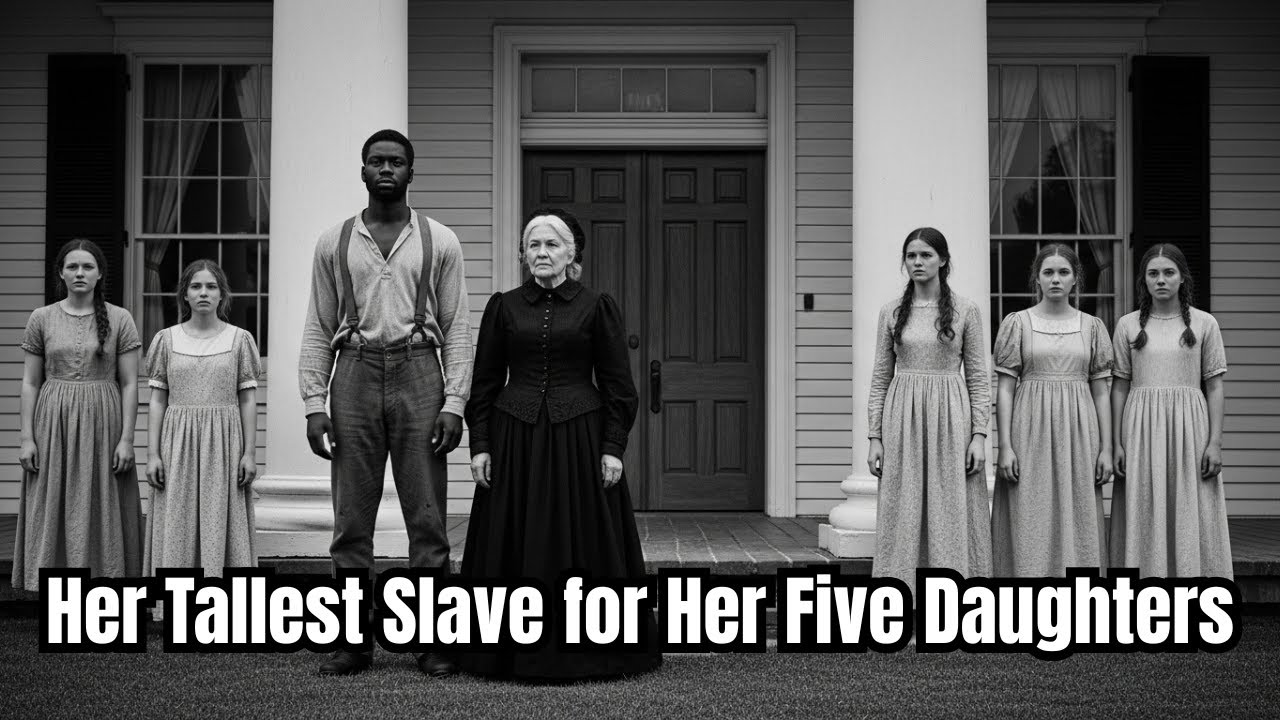
The Enslaved Man: A Pawn in a Dangerous Game
The man chosen by the widow was not just a physical specimen; he was a human being with his own dreams, desires, and struggles. His life had been dictated by the whims of those who owned him, but now he found himself thrust into a role that would test his very humanity.
The widow’s intentions were shrouded in darkness—was she acting out of love for her daughters, or was her decision a reflection of the oppressive system that enslaved them all?
As the widow’s plan began to unfold, it ignited a series of events that would lead to rebellion. The enslaved man, once a mere tool for the widow’s ambitions, began to assert his own agency.
This rebellion was not just a fight for freedom; it was a desperate struggle for identity and dignity in a world that sought to strip him of both.
The Rebellion: A Fight for Freedom
The widow’s plan quickly spiraled into chaos. The enslaved man, along with others on the plantation, began to resist the oppressive conditions imposed upon them.
This rebellion was not just against the widow’s control; it was a broader uprising against the institution of slavery itself. The whispers of discontent grew louder, echoing through the fields and into the hearts of those who had long suffered in silence.
As the rebellion gained momentum, the plantation became a battleground for power and control. The widow, initially a figure of authority, found herself facing the very consequences of her actions.
The enslaved man, once seen as a pawn, emerged as a leader, rallying others to join the fight for their freedom.
The Haunting Legacy of the Whitfield Plantation
The events that transpired on the Whitfield plantation would leave a lasting impact on the community and the legacy of American slavery.
The widow’s decision to forcibly intertwine her family’s fate with that of her enslaved man resulted in a narrative that would echo through generations.
The tale of rebellion and resistance became a part of the plantation’s haunted history, a reminder of the struggles faced by those who fought for their freedom.
Today, the Whitfield plantation stands as a symbol of the complex and often painful history of the American South. Visitors to the site are drawn not only by its beauty but also by the stories of those who lived and died there.
The tale of the widow and her tallest slave serves as a poignant reminder of the resilience of the human spirit in the face of unimaginable adversity.
Reflections on a Dark Past
As we reflect on this dark chapter in American history, it is essential to confront the uncomfortable truths of our past. The widow’s story is a stark reminder of the lengths to which individuals will go to secure their futures, often at the expense of others.
It challenges us to consider the moral implications of our actions and the impact they have on those around us.
In a world still grappling with the legacies of slavery and oppression, the story of the Whitfield plantation resonates deeply. It invites us to engage in conversations about race, power, and the ongoing fight for equality.
By acknowledging the past, we can work towards a future that honors the struggles of those who came before us and ensures that their stories are never forgotten.
Conclusion: A Cautionary Tale
The tale of the widow and her tallest slave is more than just a historical anecdote; it is a cautionary tale about the complexities of human relationships and the dark legacies of oppression.
As we delve into the annals of history, we must remember the voices of those who were silenced and strive to create a world where such injustices are no longer tolerated.
In sharing this story, we honor the memory of those who fought for their freedom and remind ourselves of the importance of empathy, understanding, and the relentless pursuit of justice.
The Whitfield plantation may be a relic of the past, but its lessons are timeless, urging us to confront our history and seek a more equitable future for all.